
Health Benefits of SIPS
Improve air quality and comfort
For healthy living/working spaces, obtain control of the air coming in and out, and use good materials in doing so. SIPs built homes excel in both these things.


Health & Wellbeing
The airtightness of SIPs built structures are second to none. This airtightness is the foundation proper ventilation. It enables the property owner to ventilate correctly without leaks and draughts. It gives the occupants the ability to filter and dehumidify incoming air. Having this control in the ventilation system benefits the inhabitants in three main ways. Firstly allergens and contaminants can be filtered out. Secondly, it gives a consistently dryer feeling interior. Thirdly, the opportunity for mould growth can be virtually eliminated. All together these contribute to better respiratory health and comfort.
The next aspect property owners aught to be conscious of are the materials that are used to build their homes. Many building materials are silently emitting unhealthy gases, a process known as off gassing. Long term exposure to off gassing is thought to be harmful. Most products are guilty to some degree, paints, varnishes, wall boards, tiles, wood preservatives, sealants and even furniture fabric. With SIPs we have the opportunity to drastically reduce or eliminate these vapours, depending on which materials we choose to construct the panels from. More natural materials such as cork are obviously more expensive, but are completely natural while polystyrene is quite benign, and a good choice all things considered.
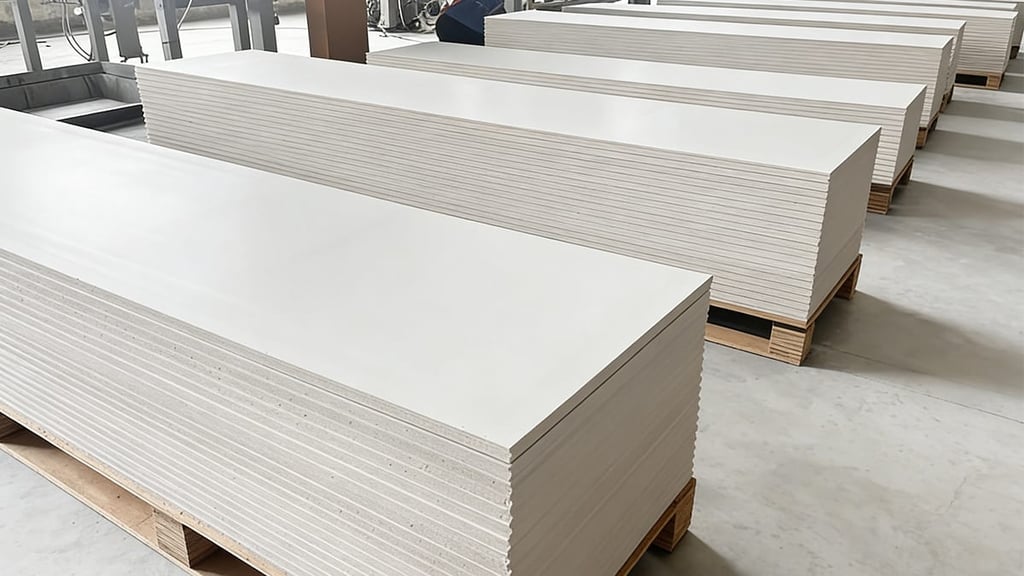
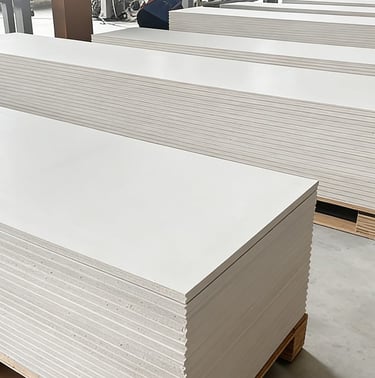
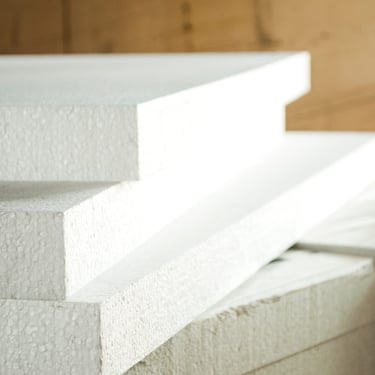
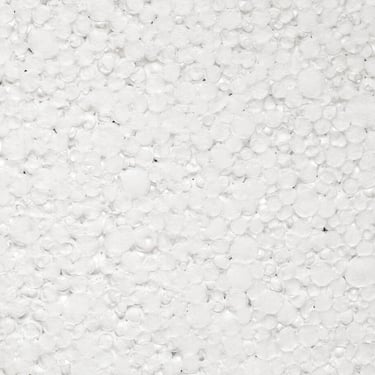
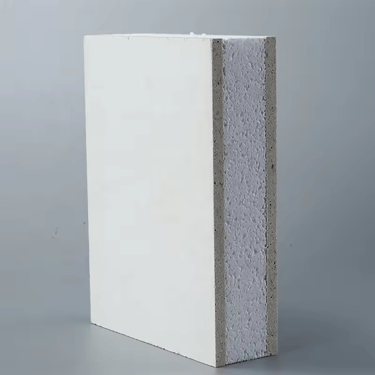
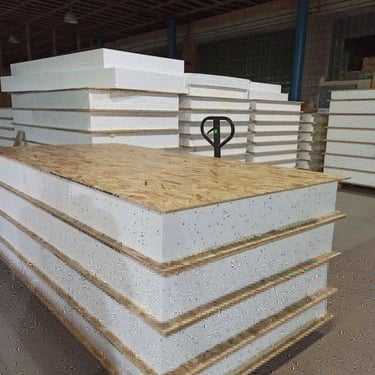
Expanded Polystyrene is made from polystyrene beads using a simple process that uses steam and blowing agents to quickly expand the beads and trap tiny air pockets within the material. The resulting material is actually 98% air and 2% polystyrene. Put in context an 80m2 SIPs structure (walls, floors, ceilings), made from 100 SIPs would contain as little as 900Kgs of actual polystyrene. In other words less than a 1 tonne bag, which is less plastic than many houses would contain in children's toys, fabrics and appliances. EPS does not off-gas, it does not contain toxic ozone chemicals like formaldehyde, hydrochlorofluorocarbon (HCFC), hydrofluorocarbon (HFC), and chlorofluorocarbon (CFC). It is impermeable to water making it mould and mildew resistant, contributing to healthier indoor environments. In the manufacture of EPS, Brominated flame retardants (BFRs) are used to reduce flammability to meet building regulation requirements. They are certified as safe. Overall, of the 3 main polymer foams (EPS, XPS,PUR), EPS is the safest.
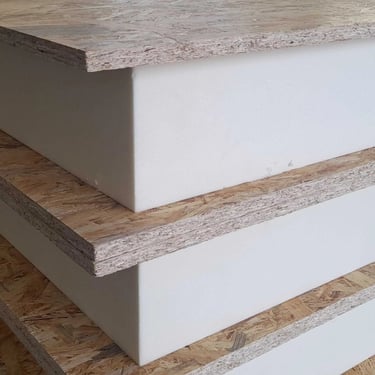
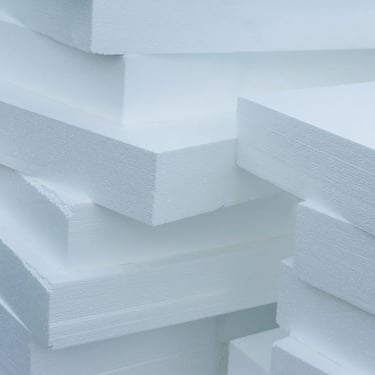
EPS
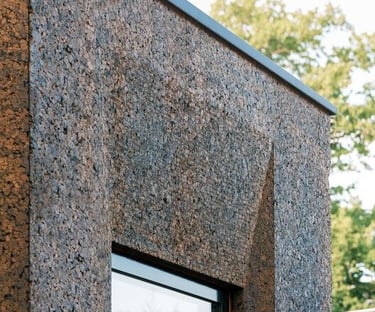
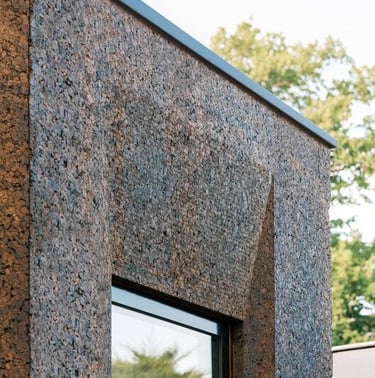
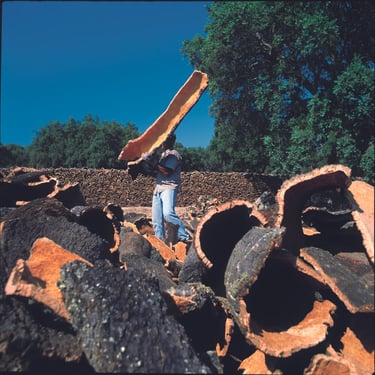
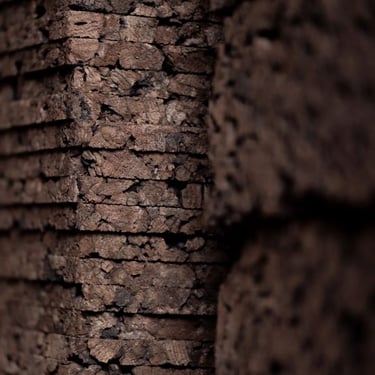
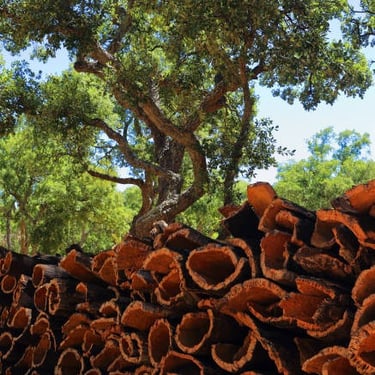
Cork is by far one of the most wonderful natural materials we have. The tree bark of Quercus Suber, it is right alongside Linen, Flax and Hemp in terms of its historical significance and versatility. Expanded cork is produced by heating cork granules under pressure causing them to expand. The heat of the process drives out natural resins in the bark, which act as a binder, holding the pieces together and forming one solid block which can be cut with millimetre precision. Absolutely no other chemicals are used, expanded cork is 100% natural. Cork has a natural resistance to moisture due to the presence of suberin, a waxy substance that helps repel water. Expanded cork is hypoallergenic and does not release any harmful chemicals at all. It is the ultra healthy and eco-friendly - living in close proximity to Cork is akin to living beside trees.
CORK
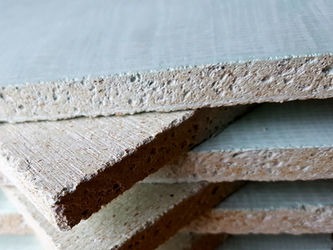
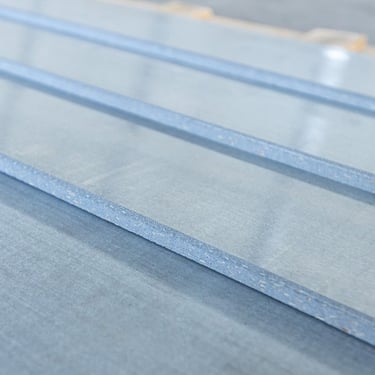
Magnesite is a naturally occurring mineral often found in sedimentary rocks. It is used to make Magnesium Oxide Board called MGO, where the magnesium elements are combined with water to make a cement like slurry that is then combined with a mesh and formed into boards. Magnesium oxide boards are made from essentially natural materials, the primary constituents are Magnesium oxide (a common health supplement), Magnesium Sulphate (otherwise known as Epsom salts). The remaining share of the boards are made up of: bamboo fibre (a renewable plant), Perlite (a volcanic glass), Fibre Glass (A silica sand product) and water. This means MGO does not contain harmful substances like formaldehyde, asbestos, or emit volatile organic compounds (VOCs). These boards are ideal for individuals with asthma or chemical sensitivities, as they do not emit toxic fumes. Magnesium oxide boards are resistant to mould, mildew, and bacteria, which helps maintain a clean and healthy respiratory environment.
MGO
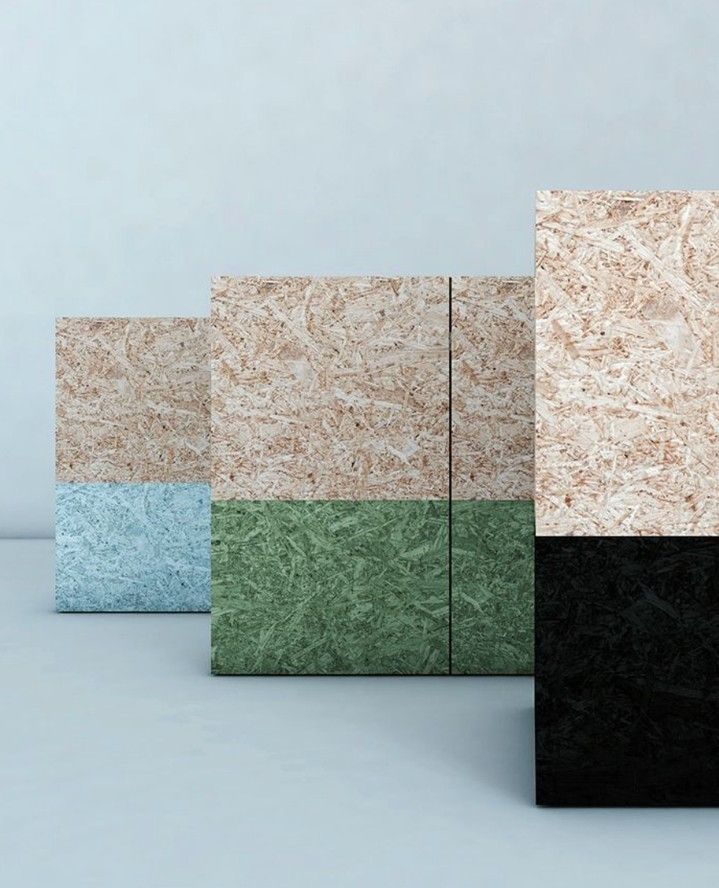
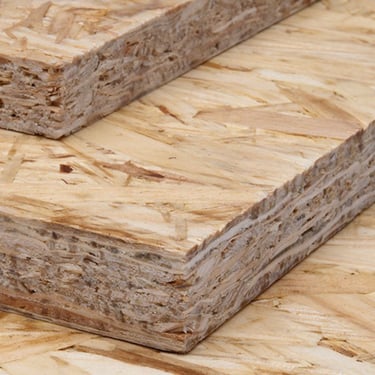
OSB
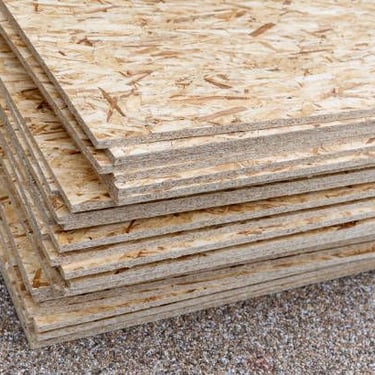
Oriented strand board is a wood product produced from fast growing forest certified timber. It is made by compressing layers of wood strands with adhesives layered in perpendicular orientations for strength. Modern OSB is typically produced with phenol-formaldehyde adhesives, which have negligible emissions. The off-gassing of glues used in OSB is minimal and generally not a concern for most people. Various international standards, such as CARB and European regulations, ensure that OSB is safe for use in construction. When used in SIPs structures, the internal OSB face is usually studded and boarded with gypsum creating a degree of separation from the interior space.

Phone
contact@sobe-sips.com
+351 960 270 899
© 2025. All rights reserved.


Address
SOBE Structural Insulated Panels, Odemira, Beja, Portugal
Manufacturers of Structural Insulated Panels