
Energy Benefits of SIPS
Thermal efficiency and low impact
Structural insulated panels can be made from renewable recylable materials, have fantastic thermal properties and deliver structures that are lower cost to inhabit and ultimately have less impact on the environment.


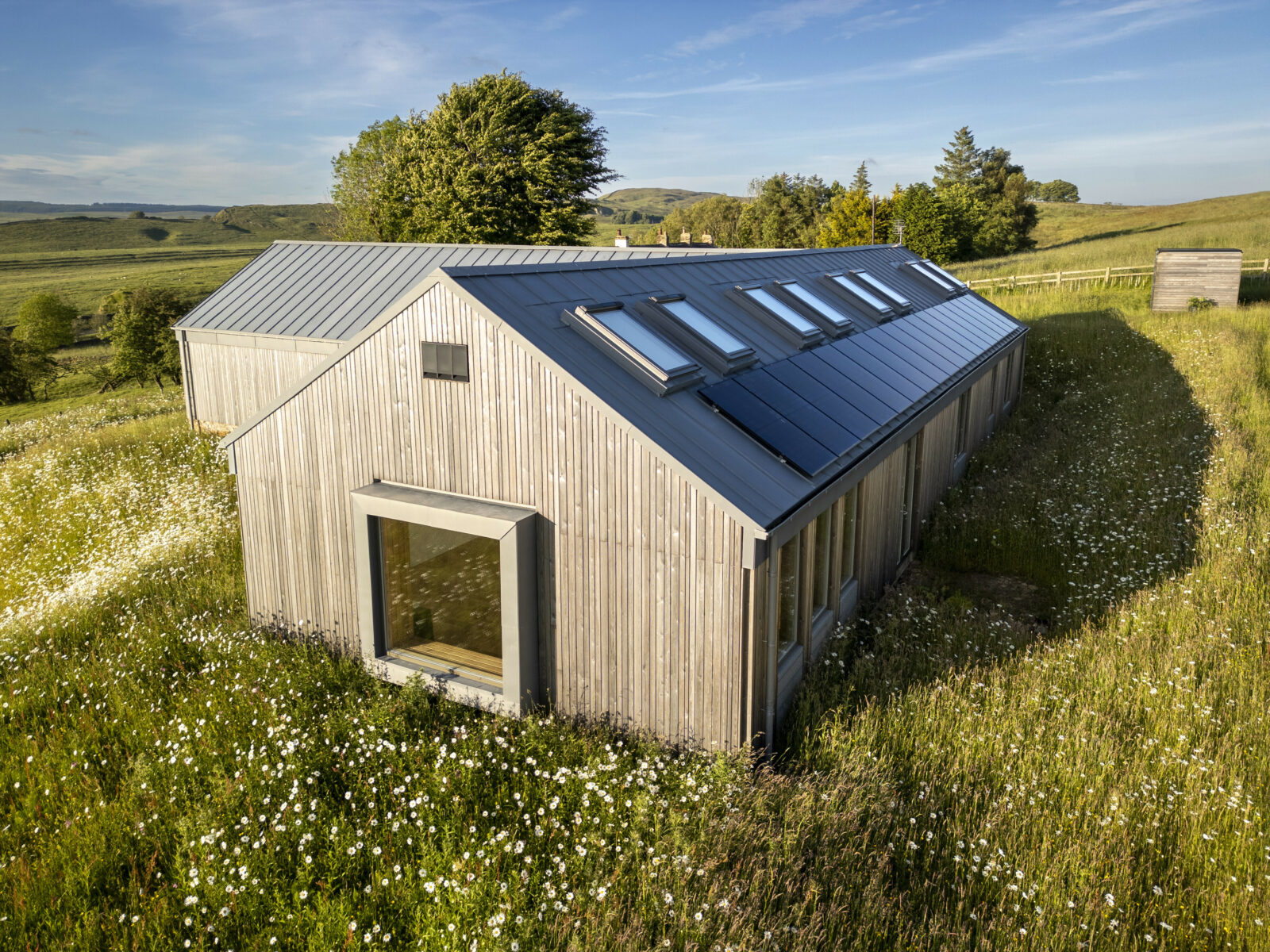
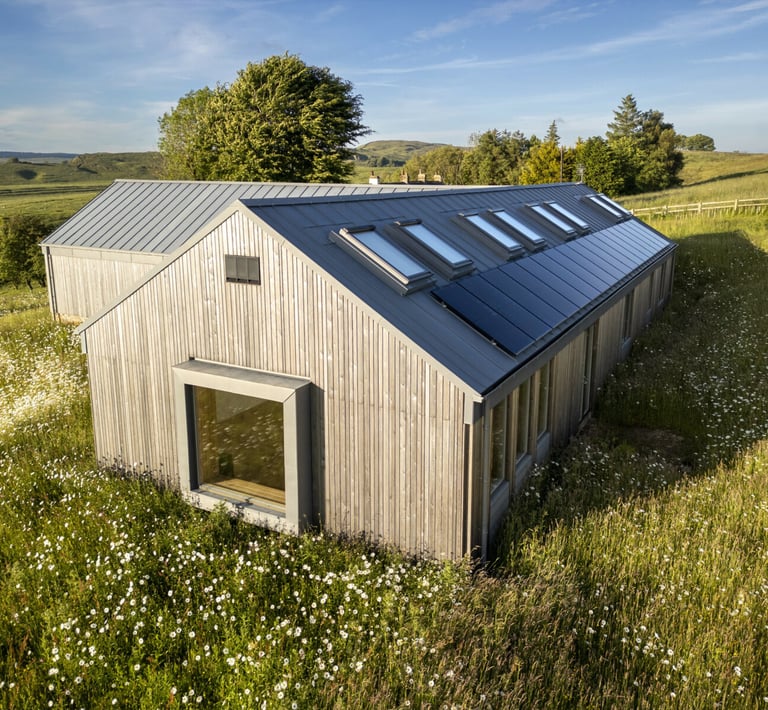
SIPs are a great option for those aiming to build low impact energy efficient homes. This is because:
SIPs have great thermal properties, their "whole wall" insulative values are high
SIPs make very airtight structures, to levels not achievable with some other building methods
SIPs have very little thermal bridging
SIP structures are cavity-free
These factors are why SIPs are often the first choice in the construction of passive houses. A SIP inherently blocks the passage of temperature change. Increasing panel thickness amplifies this insulation value. If increased thermal mass is desired, MGO board can be chosen as a heavier higher density panel skin and Cork can be chosen as a heavier higher density insulating core.
Energy & Sustainability
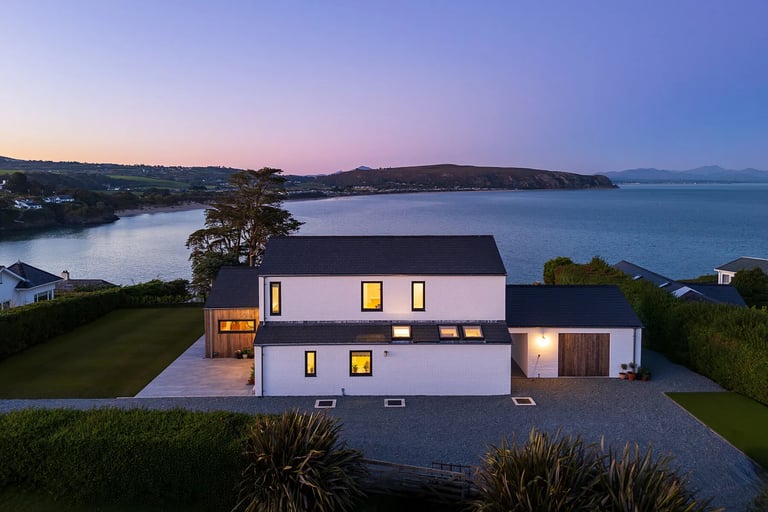

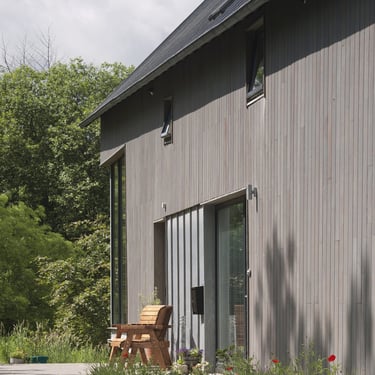
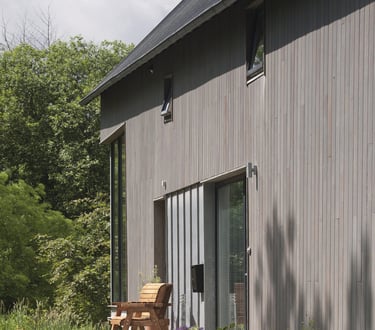
Air tightness is a critical factor in modern building design. To gain control over incoming and outgoing air, one must first eliminate air leaking in or out of the building, making it as air tight as possible. These levels of air tightness are achievable with SIPs, where they are not with many other building methods. Heating and air conditioning technologies work well when they have a base airtightness to work with, they do not work well when the house leaks air. SIPs give us airtightness, and airtightness enables heating and cooling systems to perform as their best.
SIP built structures have little to no thermal bridging, put simply; they do not have solid objects traveling through them, from one side of the wall to the other, everything is separated by insulation. This is due to the very nature the panels design. From heat's perspective, this lack of thermal pathway makes it very hard to travel through the wall. SIPs enable designers to create buildings where very few components travel through the wall and what they are doing is essentially minimising contact between the inside air and the outside air. This reduction or elimination of thermal bridges greatly improves the energy performance - fewer opportunities exist for heat to be conducted from the interior to the exterior or vice versa.
SIP structures are cavity-free. Unlike buildings with wood framing and blocks that have manually-applied insulation, SIP walls and roofs are uniformly insulated. SIPs don't have the voids, cold spots or thermal bypasses of conventional insulation that can cause empty condensation zones hidden behind walls which lead to mold, mildew or rot.
Having no cavity, high R-value walls with minimal thermal bridging and maximum airtightness is the foundation of energy efficiency. When coupled with secondary technologies, outstanding efficiency gains can be realised. The overall effect of reduced heating and cooling input, is lower utility bills and less environmental impact.
Phone
contact@sobe-sips.com
+351 960 270 899
© 2025. All rights reserved.


Address
SOBE Structural Insulated Panels, Odemira, Beja, Portugal
Manufacturers of Structural Insulated Panels